Foreclosure, Government-Owned, FSBO, or Rent-to-Own: Which Fits You?

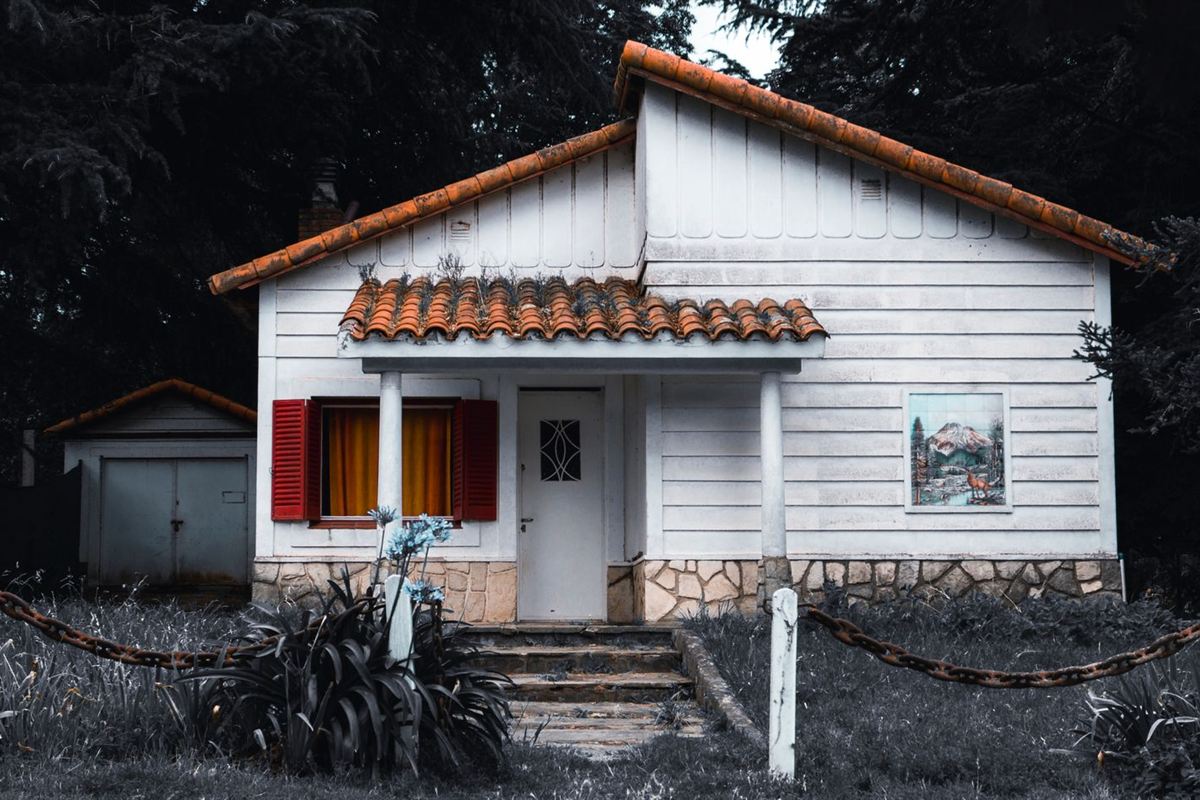
Photo: David McBee / Pexels
MyHomeZilla brings four kinds of listings together: foreclosures, government-owned homes, private homes for sale by owner, and rent-to-own homes. Each can end with a home of your own, but they work very differently. Some move fast and favor buyers with financing in hand. Others give you time to get ready.
This guide compares the four paths, plus fixer-uppers, which show up on all of them. For each one you will find who it tends to suit, what to expect, and where to start. Use it to decide where to focus first, then dig into the detailed guides linked along the way.
Start With Three Questions
- How ready is your financing? A lender's pre-approval, savings for a down payment and closing costs, and a cushion for repairs open more doors.
- How soon do you want to move? Some purchases close within weeks, while rent-to-own means renting for a set period before you can buy.
- How much work can you take on? Be honest about your budget, time, and patience for repairs.
Foreclosures: Pre-Foreclosure, Auction, and Bank-Owned
A foreclosure happens when a homeowner falls behind on the mortgage and the lender moves to take the home back. You can buy from the owner before the foreclosure is final (pre-foreclosure), at a public auction, or from the lender afterward as a bank-owned, or REO, home. Our guide to foreclosure stages explains each one.
- Often suits: Buyers with pre-approval or savings who can handle repairs and extra paperwork.
- Condition: Usually sold as-is, and homes that sat vacant may have deferred maintenance.
- Financing: Bank-owned homes can often be financed if the home qualifies. Auctions often require cash or certified funds quickly, and a pre-foreclosure short sale needs the lender's approval.
- Timeline: Auctions move fast, short sales can take months, and bank-owned purchases follow a familiar offer-and-close process, though banks may respond slowly.
- Competition: Well-priced homes can draw several offers.
- Watch for: Liens, unknown condition, and auction homes you cannot see inside. Pre-foreclosure homes are often occupied, so respect the owners' privacy and never enter without permission. Rules vary by state.
- First step: Browse foreclosure homes, then read how to buy a foreclosed home and how to make a strong offer on a bank-owned home.
Government-Owned Homes: HUD, Fannie Mae, Freddie Mac, VA, and USDA
When a loan backed by HUD, VA, or USDA, or owned by Fannie Mae or Freddie Mac, ends in foreclosure, that agency or company may sell the home. HUD homes are sold through the HUD Home Store, Fannie Mae's through HomePath, and Freddie Mac's through HomeSteps.
- Often suits: Buyers who plan to live in the home and want a head start.
- Condition: Usually sold as-is, ranging from move-in ready to major repairs.
- Financing: Many can be bought with common loan types, and HUD listings note whether a home is eligible for FHA-insured financing.
- Timeline: Set listing periods and bid deadlines.
- Competition: Owner-occupants get early windows. Fannie Mae's and Freddie Mac's First Look periods give them, along with certain public and nonprofit buyers, the first 30 days before investors.
- Watch for: Program addenda and owner-occupant certifications you must honor. HUD bids must go through a HUD-registered broker.
- First step: Browse government-owned homes, then read our program overview, how owner-occupant priority works, and, for teachers, officers, firefighters, and EMTs, Good Neighbor Next Door.
Private and For-Sale-by-Owner Listings
Some owners sell on their own, without a listing agent, and some homes change hands quietly off-market. You deal directly with the owner, which can mean more flexibility and a more personal process.
- Often suits: Buyers who like direct conversations and are ready to build their own team.
- Condition: Anything from updated to dated, and the owner may know the home's history well.
- Financing: Standard mortgages usually work, and the lender's appraisal helps check the price.
- Timeline: Flexible and open to negotiation.
- Competition: Often lighter, because these homes get less exposure.
- Watch for: Asking prices based on hopes rather than recent sales, and contracts written without professional help. Hire your own agent or real estate attorney, and get an inspection and title search.
- First step: Browse private listings, read how to find homes for sale by owner and where to find homes other buyers miss, and bring our questions to ask sellers.
Rent-to-Own Homes
With rent-to-own, you rent a home now with the option, or sometimes the obligation, to buy it later. It can give you time to build credit and savings while living in the home you hope to buy.
- Often suits: Renters with steady income who need time before they can qualify for a mortgage.
- Condition: Varies, and some agreements make you responsible for repairs.
- Financing: You still need a mortgage or cash when it is time to buy.
- Timeline: A rental period comes first, and the agreement sets its length and deadlines.
- Competition: Less about speed and more about finding fair, clearly written terms.
- Watch for: Nonrefundable option fees, rent credits that are not in writing, and sellers who do not own the home or are behind on taxes or the mortgage. The Federal Trade Commission warns that some rent-to-own deals can be risky or even scams. Have a real estate attorney review any agreement before you pay.
- First step: Browse rent-to-own homes, then read our rent-to-own overview and rent-to-own contracts decoded.
Fixer-Uppers: An Option on Every Path
A fixer-upper is not a separate way to buy. Foreclosures, government-owned homes, private sales, and rent-to-own homes can all need work. A lower price can make sense when you know what repairs will cost and how you will pay for them.
Before you commit, get a professional inspection and contractor bids, and set aside a cushion for surprises. Renovation loans such as FHA 203(k), Fannie Mae HomeStyle Renovation, and Freddie Mac CHOICERenovation can combine the purchase and repair costs in one mortgage. Browse fixer-uppers and as-is homes, and read what to inspect and budget for and how renovation loans work.
Matching Your Situation to a Path
- You have pre-approval and savings for repairs: Bank-owned and government-owned homes are strong places to start, especially during owner-occupant windows.
- You want a personal, flexible negotiation: Look at private and for-sale-by-owner listings.
- You need time to build credit or savings: Start with our 12-month plan to get ready to buy, and weigh rent-to-own carefully. If credit is the hurdle, see owning a home with bad credit.
- You are handy and patient: Consider as-is homes on any path, with a renovation loan if needed.
First Steps on Any Path
- Check your credit reports for free at AnnualCreditReport.com and dispute any errors.
- Set a monthly budget that includes taxes, insurance, and upkeep.
- Talk with a lender about pre-approval and ask about down payment assistance.
- Save searches for each listing type that interests you and turn on listing alerts.
- Tour homes, compare prices against recent sales, and get an inspection and title search before closing.
The Bottom Line
There is no single best path to homeownership, only the one that fits your finances, timeline, and appetite for repairs. It often pays to keep an eye on more than one path at once.
MyHomeZilla is built for exactly that. Search foreclosure, government-owned, private, and rent-to-own listings nationwide by city, ZIP code, or address, filter by price, bedrooms, bathrooms, listing type, and status, and save and compare homes side by side. Saved searches with email or mobile notifications keep you current, and our plain-English guides help you take each step alongside a licensed agent, lender, inspector, or attorney. When you are ready, see membership options.
This guide is for educational purposes only and is not financial or legal advice. MyHomeZilla is not a lender or government agency. Program rules change, so confirm current details with the program or a licensed professional before you act.