Private Listings: How to Find Homes for Sale by Owner
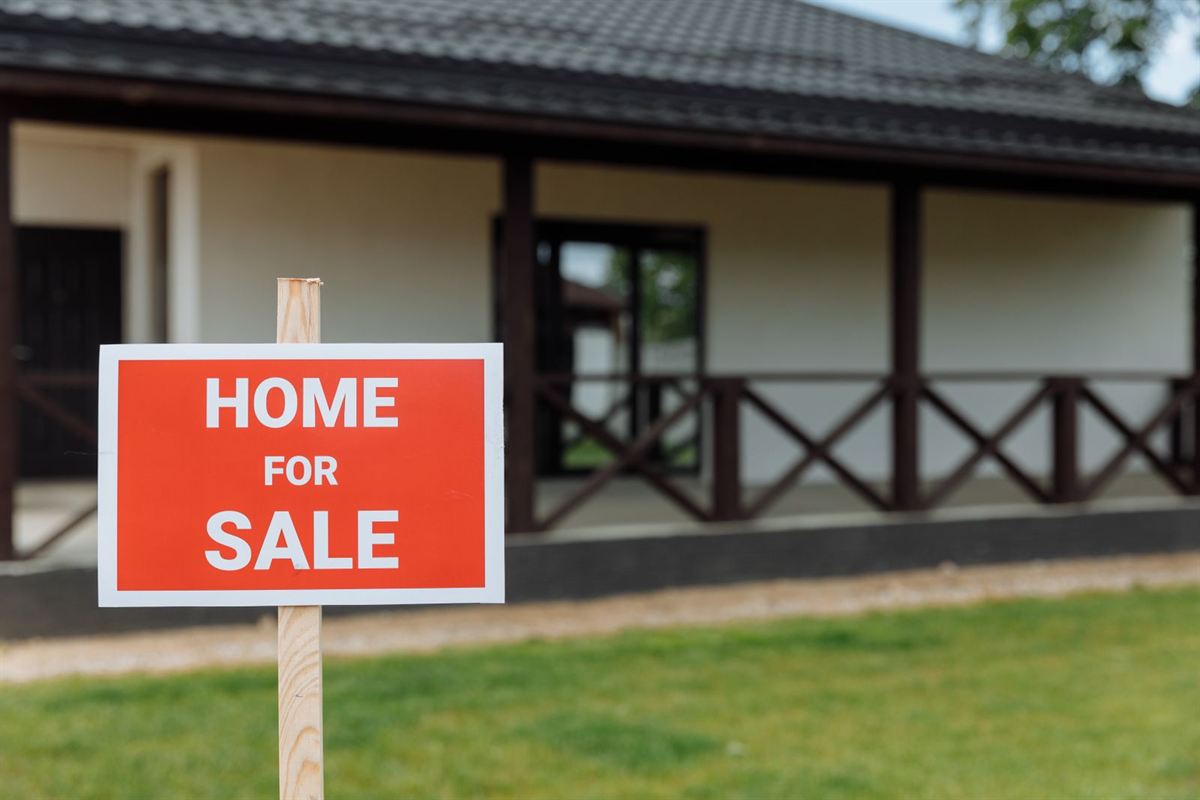
Photo: Thirdman / Pexels
Not every home for sale shows up on the big listing websites. Some owners choose to sell on their own, and others quietly let people know they would sell to the right buyer before ever putting up a sign.
These private listings, often called for sale by owner (FSBO) or off-market homes, can be a great place to look if you want more choices and fewer shoppers competing for the same house. Here is how to find them and how to buy one with confidence.
What Is a Private Listing?
A private listing is a home sold outside the usual agent-listed channels. The most common type is FSBO, where the owner handles the sale personally. Others are off-market homes whose owners are open to selling but have not advertised widely.
Because many of these homes never appear on the multiple listing service (MLS) that feeds most home search sites, plenty of shoppers never see them. That is exactly why they are worth a closer look, along with the other options in our guide to homes beyond the MLS.
Why Owners Sell Privately
Some sellers want to avoid paying a full listing commission. Others want more control over showings and timing, or they already have a friend, neighbor, or tenant in mind who might want to buy.
Understanding why an owner is selling helps you have a better conversation. Someone who wants a quick, simple sale may be open to flexible terms, while someone who is just testing the waters may need more time.
Where to Find Homes for Sale by Owner
Start with FSBO websites, online classifieds, local social media groups, and community bulletin boards. Driving through neighborhoods you love and watching for "For Sale By Owner" signs still works, too.
A membership like MyHomeZilla can save you time by gathering private listings alongside foreclosures, government-owned homes, and rent-to-own homes, so you can compare your options in one place. When a home catches your eye, you can contact the seller directly from the listing or request a showing.
Let People Know You Are Looking
Word of mouth is one of the oldest ways homes change hands. Tell friends, family, coworkers, and even your current landlord what kind of home you want and which neighborhoods you are considering.
Some owners would rather sell to someone who comes recommended than open their door to a steady stream of strangers.
Get Your Finances Ready First
Owners selling on their own often want to know you are a serious buyer. Talk with a lender about pre-approval before you start making offers, and decide how much you can comfortably spend each month.
A pre-approval letter shows the owner you have done your homework, and it keeps you from falling in love with a home that does not fit your budget. If your credit needs work first, our guide to owning a home with bad credit can help.
Research a Fair Price
Without a listing agent, the asking price may reflect what the owner hopes to get rather than what similar homes have sold for. Look up recent sales of comparable homes nearby and note differences in size, condition, and features.
If you use a mortgage, your lender will usually order an appraisal, which helps confirm whether the price lines up with the home's market value. Our guide to reading sales history and comps walks you through the basics.
Always Get a Home Inspection
Buying directly from an owner does not change the need to protect yourself. Hire a qualified home inspector to check the roof, foundation, plumbing, electrical system, and heating and cooling before you commit.
Ask for the seller's disclosure of known problems, too. Disclosure rules vary by state, so your attorney or agent can tell you what the seller must share.
Check the Title
A title search confirms that the seller actually owns the home and shows any liens, unpaid taxes, or other claims against it. Problems like these are much easier to sort out before closing than after.
A title company or real estate attorney can run the search and offer owner's title insurance, which can protect you if someone later makes a claim against the home that dates from before your purchase.
Put the Deal in Writing
A handshake is not enough. Use a real estate attorney or a buyer's agent to write or review the purchase contract, including the price, deposit, contingencies, and closing date.
Contingencies for financing, inspection, and appraisal can give you a way to renegotiate or walk away if something unexpected comes up. Our list of questions to ask sellers can help you cover the basics before you sign.
Protect your deposit. Ask for your earnest money to be held in escrow by a title company or attorney rather than paid directly to the seller, and get a receipt for every payment.
Final Thoughts
Private listings can open doors that many shoppers never notice. With a little digging, a pre-approval in hand, and the right protections in place, buying directly from an owner can be a smooth path to a home you love.
MyHomeZilla helps you discover private listings alongside foreclosures, government-owned homes, and rent-to-own homes. Save and compare homes side by side, review sales history and tax records, share listings with family, and reach sellers directly, with plain-English guides that walk you through each step.
This guide is for educational purposes only and is not financial or legal advice. MyHomeZilla is not a lender or government agency. Program rules change, so confirm current details with the program or a licensed professional before you act.