Renovation Loans: How to Finance a Fixer-Upper and Its Repairs
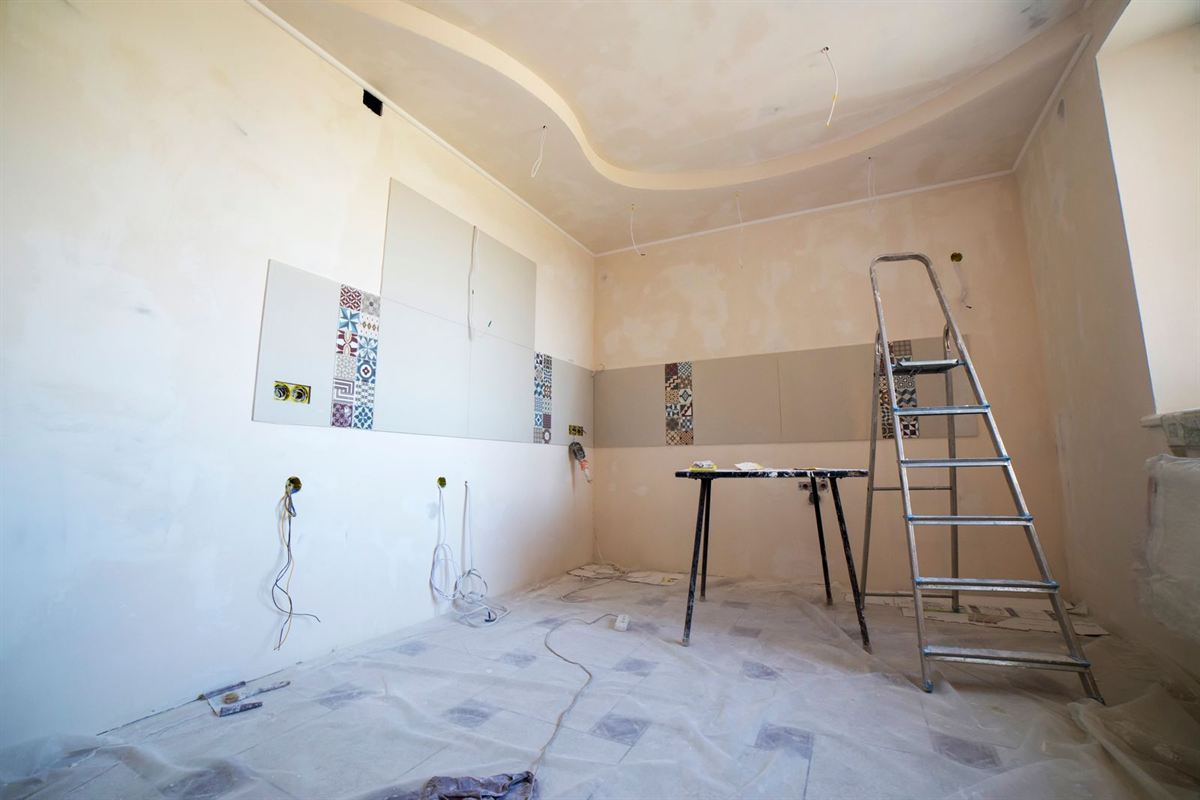
Photo: Valentin Ivantsov / Pexels
Many fixer-uppers come with a catch: the price may be within reach, but the repairs are not, at least not on top of a down payment. A renovation loan can solve that by rolling the purchase and the repair costs into one mortgage, based on what the home should be worth once the work is done.
Below are the main programs, the process, and the alternatives. Rules change and not every lender offers every program, so confirm details before you count on one.
How a Renovation Loan Works
One mortgage covers the purchase price, the planned work, and sometimes related fees and a few months of payments while the home is unlivable. Three ideas show up in every program:
- As-completed value. An appraiser estimates what the home will be worth after the work, using your plans and contractor bids. The loan is sized from that value, within program limits.
- Escrow and draws. Repair money sits in a separate account and is paid out in stages, called draws, as work is completed and checked.
- Contingency reserve. A cushion set aside for surprises found once work begins. Some programs require one; others leave it to the lender.
FHA 203(k): Standard and Limited
The FHA 203(k) program is insured by the Federal Housing Administration and is meant for people who will live in the home. HUD-approved nonprofits and government agencies can use it too, but investors cannot. The home generally must have been completed at least a year earlier, and down payment rules follow regular FHA loans, which allow as little as 3.5% for many borrowers.
Limited 203(k)
For minor remodeling and non-structural repairs. HUD’s current guidance caps total rehabilitation costs at $75,000, a limit HUD reviews each year. There is no minimum, a 203(k) consultant is optional, and the work generally must be finished within nine months.
Standard 203(k)
For major or structural work, with a minimum repair cost of $5,000. The total loan is limited by FHA’s loan limits and the home’s expected value after the work. An FHA-approved 203(k) consultant is required to inspect the home, prepare the work write-up and cost estimate, and inspect the work before draws are paid. The work generally must be finished within 12 months, and the loan can include mortgage payment reserves if you cannot live in the home during construction.
Some government-owned homes on HUD’s Home Store are marked as possibly eligible for 203(k) financing, subject to an FHA appraisal. HUD explains both versions on its 203(k) program page.
Fannie Mae HomeStyle Renovation
HomeStyle Renovation is a conventional loan offered through participating lenders. For a purchase, renovation costs can be up to 75% of the lesser of the purchase price plus renovation costs or the as-completed appraised value. There is no minimum renovation amount and few limits on the type of work, though improvements generally must be permanently attached, and the loan cannot be used to tear down and rebuild.
- Work must be completed within 15 months of closing.
- If you cannot live in the home during the work, up to six months of payments can be included.
- On a one-unit home, you may do some work yourself, up to 10% of the as-completed value, with the lender’s approval and inspections.
- It can be combined with Fannie Mae’s HomeReady low down payment loan for eligible borrowers.
Freddie Mac CHOICERenovation
CHOICERenovation works much like HomeStyle. For a purchase, financed renovation costs cannot exceed 75% of the lesser of the purchase price plus renovation costs or the as-completed value, and the work must be finished within 450 days of the loan’s note date. Freddie Mac requires a contingency reserve of at least 10% of renovation costs, or 15% if the utilities do not work, and up to six months of payments can be financed. It can be paired with Freddie Mac’s Home Possible and HomeOne low down payment loans, and homes in poor condition can qualify if the renovation fixes the problems.
VA and USDA Options
VA. VA says an eligible borrower can use a VA-backed purchase loan to buy a home and improve it, as long as they will live there. VA’s alteration and repair loan closes together with the purchase loan, the contractor must be registered with VA, and VA warns that not all lenders are able or willing to make these loans, so shop around.
USDA. USDA’s guaranteed loan, available through approved lenders in eligible rural areas to buyers within its income limits, can include the cost of repairs tied to buying an existing home. Once you own, USDA’s Section 504 Home Repair program offers repair loans to low- and very-low-income rural homeowners and grants to very-low-income homeowners 62 or older, subject to available funding.
The Renovation Loan Process, Step by Step
- Find lenders that actually offer the program.
- Get pre-approved for the renovation loan, not just a standard mortgage, so your offer reflects the full budget.
- Choose the home and inspect it. Our fixer-upper inspection and budgeting guide covers what to check.
- Get detailed contractor bids. The lender reviews your contractor and scope of work.
- Allow extra time in your contract. Bids, consultant reports, and an as-completed appraisal take longer than a standard loan.
- Close. Renovation funds go into an escrow or custodial account.
- Do the work in stages. Draws are released after inspections confirm progress, and title updates or lien waivers confirm contractors have been paid.
- Finish and certify. A final inspection confirms completion. Under the Fannie Mae and Freddie Mac programs, leftover renovation funds generally go toward your loan balance or approved extra improvements.
Tip: Ask each lender, “Which renovation programs do you offer, how many did you close last year, and who inspects the work before each draw?” Clear answers suggest a lender who knows the process.
Plan for Overruns and Delays
Renovations rarely go exactly to plan. Under Fannie Mae’s rules, if costs rise during the work, you or the lender must cover the increase, and the loan amount cannot be raised to pay for it. Keep cash on hand beyond your down payment and closing costs.
- Change orders usually need the lender’s approval, and upgrades added after the appraisal may not be financed.
- If you cannot move in yet, budget for rent and your mortgage at the same time.
Warning: Never pay a contractor in full up front, and never sign a draw request for work that is not finished. The draw schedule exists so payment follows completed work.
Alternatives to a Renovation Loan
- Buy livable and fix in phases. Choose a home that qualifies for a standard loan, then take on cosmetic projects with savings over time.
- Cash reserves. Paying for small projects from savings avoids interest, but keep your emergency fund intact.
- Personal loans, with caution. They can fund small projects quickly but often cost more and must be repaid faster than a mortgage. Avoid new debt right before or during your mortgage application.
- Home equity later. Once you have built equity, a home equity loan or line of credit may pay for improvements. Your home secures that debt, so borrow carefully.
The Bottom Line
A renovation loan can make a home other shoppers pass over realistic, but it takes planning: the right program, an experienced lender, solid bids, and a cushion for surprises. When you compare mortgage rates and lenders, ask specifically about renovation programs, and see our guide to down payment assistance if upfront costs are a hurdle.
On MyHomeZilla, you can browse fixer-uppers and as-is homes, filter by price and status, review sales history and tax records, and save and compare homes side by side. MyHomeZilla is not a lender and does not arrange or approve loans, so confirm every program detail with a licensed loan officer.
This guide is for educational purposes only and is not financial or legal advice. MyHomeZilla is not a lender or government agency. Program rules change, so confirm current details with the program or a licensed professional before you act.