Good Neighbor Next Door: Half-Price HUD Homes Explained
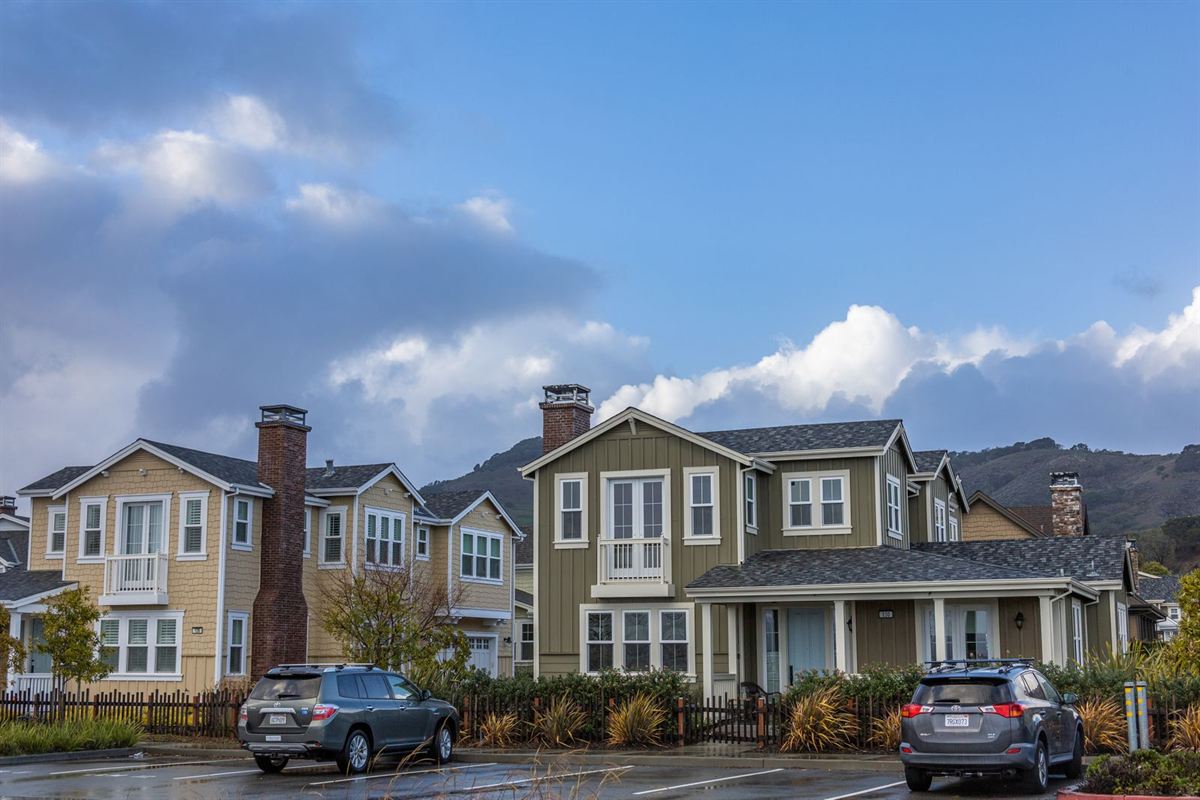
Photo: Robert So / Pexels
If you teach, serve in law enforcement, fight fires, or work as an emergency medical technician, HUD's Good Neighbor Next Door program can put a home within reach at half its list price. In exchange, you agree to live in the home for three years. The savings can be large, and so can the competition.
HUD's program pages show Good Neighbor Next Door as active in 2026. This guide explains who qualifies, how the discount works, how the homes are sold, and the commitments that come with them. MyHomeZilla is not affiliated with HUD, and program rules can change, so confirm the details on HUD's Good Neighbor Next Door page before you act.
Who Qualifies
The program is open to four professions. In each case you must work full-time, and your job must serve the community where the home is located:
- Law enforcement officers employed by a federal, state, local, or tribal law enforcement agency and sworn to uphold the law and make arrests.
- Teachers at a state-accredited public or private school serving students from pre-kindergarten through 12th grade.
- Firefighters and emergency medical technicians employed by a federal, state, local, or tribal fire department or emergency medical services unit.
You must hold the job when you bid and when you close, and certify that you intend to keep working in it for at least one year after closing. You do not have to be a first-time buyer, but neither you nor your spouse can have owned any residential property in the year before you bid. Neither of you can have bought a home through this program or the older Officer Next Door or Teacher Next Door programs, and if you both bid on the same home, HUD will approve only one bid.
How the 50% Discount Works
HUD sells eligible homes at a 50 percent discount from the list price. Using HUD's own example, a home listed at $100,000 would sell to a qualifying buyer for $50,000.
The discount comes with strings. At closing you sign a second mortgage and note to HUD for the discount amount. It is often called a silent second because it carries no interest and no monthly payments as long as you meet the occupancy rules. The balance drops by one thirty-sixth at the end of each month you live there and reaches zero after 36 months. HUD then releases the lien, provided you have returned your yearly certifications and followed the program rules.
If you sell the home or stop living in it as your only residence before the 36 months are up, you owe HUD whatever balance remains on that second mortgage.
Finding Eligible Homes
Good Neighbor Next Door homes are HUD-owned, single-unit homes in revitalization areas, which HUD designates using factors such as household income, homeownership rates, and FHA foreclosure activity. Each eligible home is first listed for a 7-day lottery period on the HUD Home Store, which has a Good Neighbor Next Door tab for finding them. After that week, the 50 percent discount no longer applies to that home.
Homes are limited and the list changes weekly, so speed matters. Set up listing alerts for HUD homes in the area your job serves, and confirm each home's program status on the HUD Home Store.
How Bidding and the Lottery Work
- Choose a HUD-registered broker. You cannot bid on your own. A participating broker submits your bid.
- Have your earnest money ready. The deposit equals 1 percent of the list price, but no less than $500 and no more than $2,000. It is credited to you at closing and returned if your bid is not accepted, but you can lose all of it if you win and fail to close.
- Prepare your paperwork. Expect to sign certifications about your job and your plan to live in the home, and to show that you meet the employment rules. Your broker can walk you through HUD's current forms.
- Wait for the lottery. If more than one eligible buyer bids, HUD picks a winner at random and also draws two backup bids in case the winner cannot close. During the lottery, program buyers get preference over government agencies and nonprofits.
Paying for the Home
With an FHA-insured mortgage, your down payment can be as little as $100, and you may finance reasonable closing costs. If the home needs work, an FHA 203(k) loan can include the cost of repairs; see our guide to renovation loans. With conventional financing, your mortgage cannot be more than the discounted price.
Budget for costs HUD will not cover. Under program rules, HUD does not pay a buyer's closing costs or the selling broker's commission on these sales, so ask your broker up front how they will be paid. HUD generally sells its homes as-is, so plan for repairs too.
Living There: The 36-Month Commitment
The home must be your only residence for 36 months. The clock starts 30, 90, or 180 days after closing, depending on how much repair work HUD determines the home needs before you move in.
Each year, around the anniversary of your purchase, HUD mails a certification for you to sign and return confirming that you still live there. If it is not returned, HUD can refer the case for an on-site investigation, and HUD warns that falsifying the certification is a felony.
Some flexibility exists. HUD may approve a temporary interruption for hardship if you ask in writing at least 30 days ahead, and service members called to active duty have special protections. You may refinance, but your new loan plus what remains on HUD's second mortgage cannot exceed 95 percent of the appraised value, and HUD may let a new loan take first place only in limited cases, such as when the refinance lowers your rate, funds a 203(k) renovation, or prevents a default.
Pitfalls to Watch For
- Few homes, short windows. Inventory is limited, each home's program window lasts a week, and a lottery decides between eligible bidders.
- Location limits. The home must be in the community your job serves, which can narrow your choices.
- Condition. Use our fixer-upper inspection guide and get a professional inspection before you commit.
- Out-of-pocket costs. Earnest money, the broker's commission, closing costs you do not finance, and repairs add up.
- Honesty. Misstating your job or your occupancy can result in repayment, investigation, and prosecution.
Tip: Before a home even appears, ask a lender and a HUD-registered broker whether they have handled Good Neighbor Next Door purchases. With only a week to act, having both lined up can make the difference.
If This Program Isn't the Right Fit
If you do not qualify or keep missing the lottery, you still have options. Regular HUD sales give owner-occupants a head start before investors can bid; see how owner-occupant priority works. You can also look into down payment assistance and talk with a HUD-approved housing counselor about local programs.
The Bottom Line
Good Neighbor Next Door can cut the price of a HUD home in half for eligible teachers, officers, firefighters, and EMTs, but it asks for a real commitment: three years in the home, yearly certifications, and fast action when the right listing appears. Read the rules on HUD's site, line up your broker and lender early, and budget for repairs and the costs HUD will not cover.
MyHomeZilla can help you move quickly. Browse government-owned homes, save searches with instant email or mobile notifications, get deadline reminders for bid deadlines, keep notes on each home, and share favorites with your spouse or co-buyer. For more background, read our overview of HUD, VA, Fannie Mae, and USDA homes.
This guide is for educational purposes only and is not financial or legal advice. MyHomeZilla is not a lender or government agency. Program rules change, so confirm current details with the program or a licensed professional before you act.