Buying a Bank-Owned (REO) Home: How to Make a Strong Offer
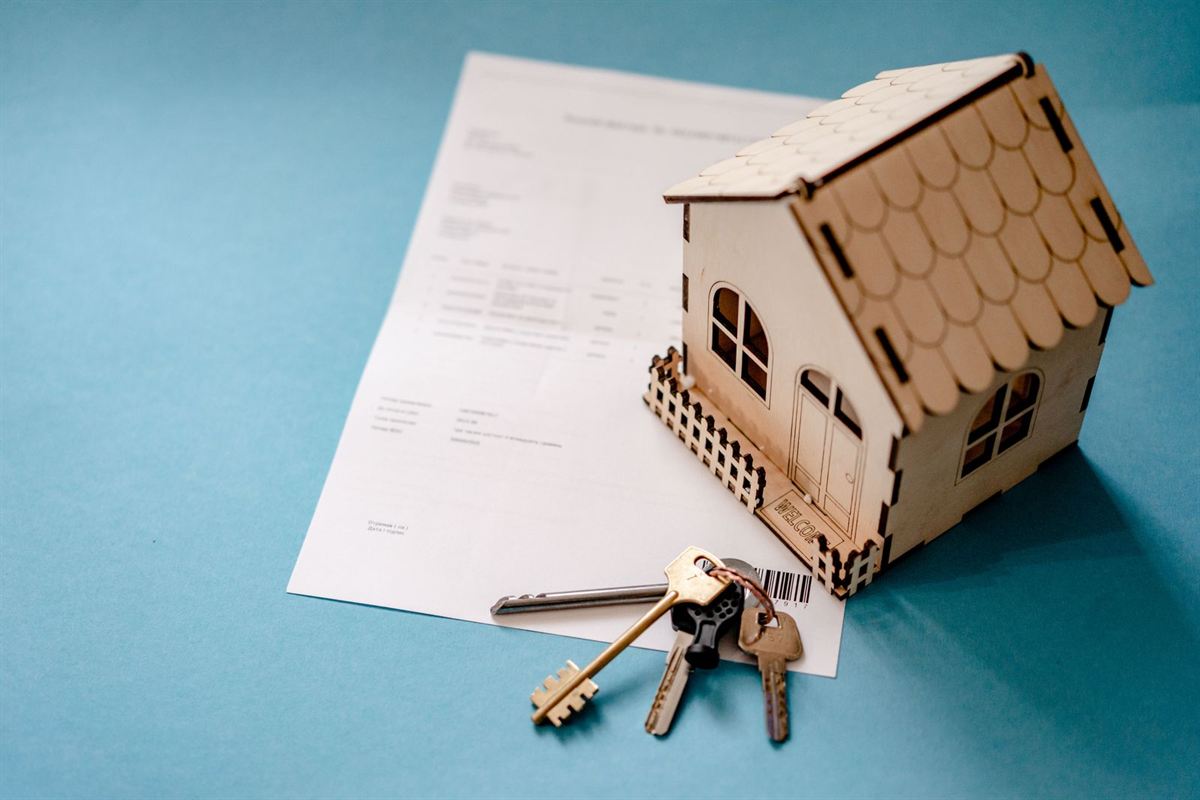
Photo: Atlantic Ambience / Pexels
A bank-owned home is one of the more approachable ways to buy a foreclosure. Unlike an auction, you can usually tour the home, get an inspection, and use a mortgage. But the seller is a lender, not an individual homeowner, and that changes how you should prepare, price, and write your offer.
This guide focuses on the offer: what the bank cares about, which terms help, and what to check before you sign. If you are new to foreclosures, start with foreclosure stages explained or our step-by-step guide to buying a foreclosed home.
What Bank-Owned (REO) Means
REO stands for real estate owned. It describes a home that went through foreclosure and is now owned by the lender, often because it did not sell to another bidder at the foreclosure auction.
Banks are not in the business of owning homes. While a property sits unsold, the lender typically pays to secure, maintain, and insure it, so it generally wants a sale that recovers as much of the unpaid loan and costs as it reasonably can. The bank never lived in the home and may know little about its history. Offers may be reviewed by an asset manager following company guidelines, so personal stories rarely sway the decision. And the home is generally sold as-is: the bank will not make repairs, and you take on whatever needs fixing.
How Bank-Owned Homes Are Listed
Many bank-owned homes are listed with a local real estate agent who represents the bank. Your offer goes to that agent, the bank reviews it, and banks often require their own addendum to be signed with the purchase contract.
Homes owned by HUD, Fannie Mae, and other government-related sellers follow their own rules. HUD homes, for example, require bids through a HUD-registered broker, and both HUD and Fannie Mae give buyers who plan to live in the home an early window before investors can make offers. See our guide to owner-occupant priority periods.
Get Ready Before You Make an Offer
Banks tend to favor offers that look likely to close on time. Before you write one, line up:
- A pre-approval letter from a lender, or proof of funds if you are paying cash. Sellers frequently require a pre-approval letter before accepting an offer. It is not a guaranteed loan, but it shows you are a serious buyer.
- Earnest money. This good-faith deposit is often held by a title company and applied at closing. Fannie Mae’s homebuyer guide describes a typical deposit as 1 to 3 percent of the offer price, but bank sellers may set their own requirements, so ask the listing agent.
- A repair budget. Know what you can spend on repairs, plus a cushion, before you set a price. Our guide to buying a fixer-upper or as-is home shows how to estimate it.
Price Your Offer With Comparables and Condition
Start with what similar nearby homes have actually sold for recently, then adjust for this home’s condition. A renovated house down the street is not a fair comparison for one that needs a new roof. Factor in a realistic repair estimate, and check the home’s sales history, tax records, and time on the market. Our guide to judging whether a home is priced fairly shows how.
Foreclosed homes may sell below market value, and a bank-owned home that does not sell at its first list price may see a price reduction. You can offer whatever you like, but an offer far below what the evidence supports may get a high counteroffer or no response. An offer backed by comparable sales and repair estimates gives the bank a reason to take it seriously.
Terms That Make Your Offer Stronger
Terms often decide which offer a bank accepts. Ways to strengthen yours without giving up key protections:
- Keep it clean. Build repair costs into your price instead of asking the bank to fix things.
- Choose a realistic inspection period, short enough to show you are serious and long enough to get an inspection and contractor estimates.
- Keep your financing and appraisal contingencies if you are using a loan. If the contract ends for a reason it allows, your earnest money is returned.
- Be flexible on the closing date, within what your lender can deliver.
- Submit a complete package: the signed offer, your pre-approval or proof of funds, and any forms the listing agent requests.
If a bank gets several offers, the listing agent may ask everyone for their “highest and best” offer by a deadline. Treat it as your final round, and stay within your budget.
Read the Bank’s Addendum Line by Line
Bank addenda can run several pages and may state that they override your purchase contract where the two conflict. Read every page with your agent, and consider having a real estate attorney review it. Look for:
- As-is language: you accept the home’s current condition, with no repairs or credits.
- Limited disclosures: disclosure rules vary by state, and the bank may share little about the home.
- Inspection limits: shorter deadlines or limits on what you can ask for afterward.
- Earnest money terms: when it is due and when it becomes nonrefundable.
- Closing deadlines and daily fees: some addenda charge a per diem, or daily fee, if closing is delayed for reasons on your side.
- Title and closing details: the type of deed the bank provides and who chooses the title or closing company.
Know your rights on title insurance. If you are financing your purchase, federal law says a seller cannot require you to buy title insurance from a particular company as a condition of the sale. Ask questions before you sign anything that seems to say otherwise.
Response Times and Counteroffers
Banks can take longer to respond than individual sellers because an offer may pass through more than one reviewer. Counteroffers often arrive on the bank’s own forms and may change the price, closing date, or other terms, so read each one as carefully as the first.
While you wait, keep looking. Bring our viewing-day checklist to your next showing, and use our questions to ask sellers and listing agents before your next offer.
Title, Appraisal, and Closing
Lenders often resolve title problems before selling, but you should still order a title search and consider an owner’s title insurance policy. It is optional, and it can protect you if someone later claims an interest in the home from before you bought it, such as a previous owner’s unpaid taxes or an unpaid contractor.
If you use a mortgage, your lender will usually order an appraisal. If it comes in below your price, you may be able to renegotiate, cover the gap, or rely on your appraisal contingency. For most mortgages, your lender must give you a Closing Disclosure at least three business days before closing, so compare it with your Loan Estimate. Then do a final walk-through and close on time to avoid any daily fees your addendum may include.
The Bottom Line
A strong offer on a bank-owned home is not just a big number. It is a fair price backed by comparable sales and a repair estimate, clean terms, solid financing, and a careful read of the bank’s addendum. Patience helps, too, because the right home may take more than one offer.
MyHomeZilla helps you find bank-owned and other foreclosure homes nationwide, filter by price, bedrooms, bathrooms, and status, and review sales history and tax records before you offer. Save and compare homes side by side, share listings with a co-buyer, and turn on status change updates so you know when a home you missed comes back on the market.
This guide is for educational purposes only and is not financial or legal advice. MyHomeZilla is not a lender or government agency. Program rules change, so confirm current details with the program or a licensed professional before you act.