Renting Today, Owning Tomorrow: A 12-Month Plan to Get Ready to Buy
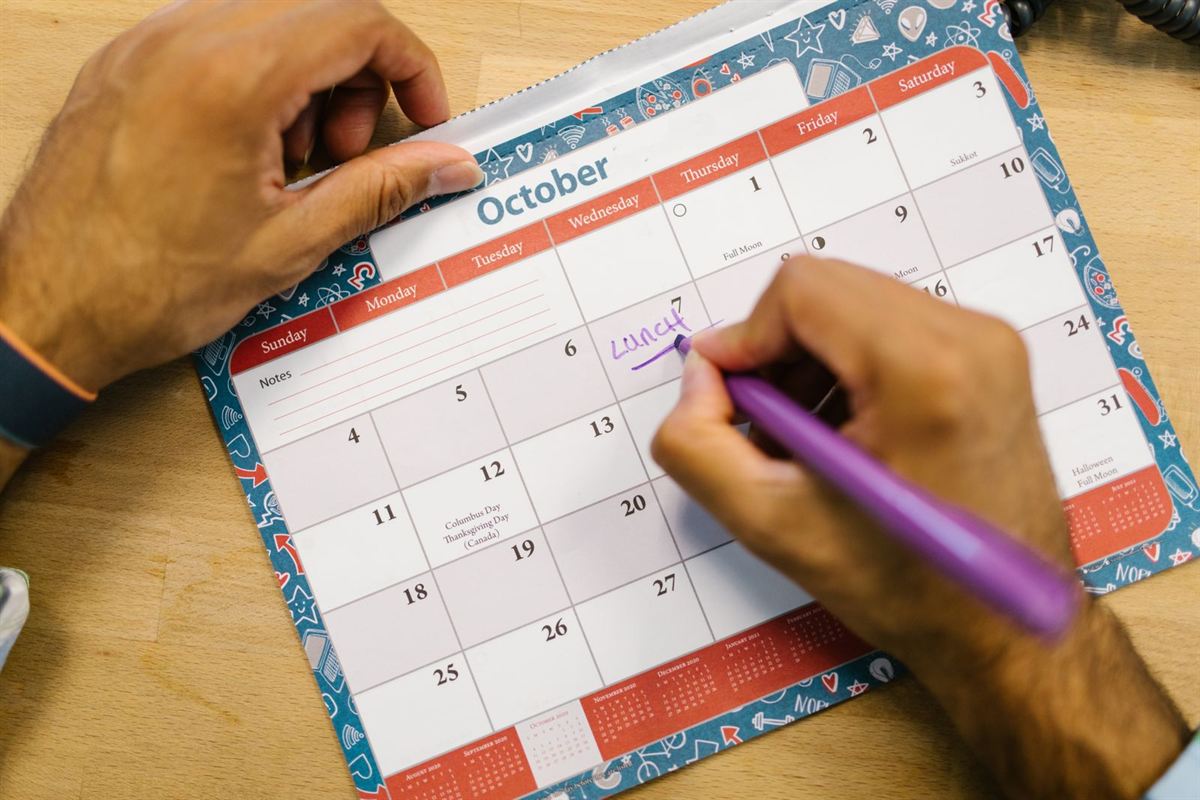
Photo: RDNE Stock project / Pexels
If you rent today and want to own within a year, the best time to start is long before you tour a single home. Twelve months is often enough time to clean up your credit, build savings, learn how buying works, and line up financing, if you take it one step at a time.
The plan below breaks the year into two-month blocks. Move faster or slower as your situation allows. If a step takes longer, that is fine; the order still works.
Months 1–2: Check Your Credit and Build a Budget
Start with the facts. According to the FTC, you can get free credit reports from Equifax, Experian, and TransUnion every week at AnnualCreditReport.com, the only website authorized to fill orders for free reports. Watch out for look-alike sites.
- Review each report for late payments, collections, and accounts you do not recognize, and dispute real errors. Our guide to owning a home with bad credit explains how.
- Track your spending for a month to see where your money goes.
- Set a target monthly housing payment that covers principal, interest, property taxes, homeowners insurance, and any HOA dues, with room left for maintenance.
- Find your lease end date and read the renewal, notice, and early-termination terms.
Months 3–4: Pay Down Debt and Start an Emergency Fund
Lenders look closely at how you handle debt, so these months are about steady habits:
- Pay down credit card balances, starting with the highest-interest card or the one closest to its limit.
- Set up automatic payments so nothing is late.
- Open a separate emergency savings account, apart from your down payment fund.
- Hold off on new credit cards, car loans, and financed purchases.
- Keep paying rent on time. Fannie Mae’s underwriting system can consider on-time rent payments shown in credit reports or bank account records, and Freddie Mac’s can consider rent history for some first-time buyers.
Tip: Paying rent by check, bank transfer, or your landlord’s online portal creates a record a lender may be able to use. Cash and money orders are much harder to document.
Months 5–6: Grow Your Savings and Learn the Process
- Automate your savings. Set a payday transfer into your down payment and closing cost fund.
- Research help. See our guide to down payment assistance for first-time buyers.
- Take a homebuyer education course. Fannie Mae’s HomeView and Freddie Mac’s CreditSmart Homebuyer U are free online courses, and HUD-approved housing counseling agencies offer classes and one-on-one help, often at little or no cost. Some loans and assistance programs accept only certain courses, so check first.
- Learn the main loan types. FHA, conventional, VA, and USDA loans have different down payment, credit, and property rules.
Months 7–8: Talk to Lenders and Get Prequalified
Now find out what you can borrow. Talk with more than one lender, such as a bank, a credit union, and a mortgage company, and ask about loan options and the assistance programs they work with.
Lenders use the words prequalification and preapproval differently. The CFPB notes that both letters estimate how much a lender may lend you, neither is a guaranteed loan offer, and getting preapproved early can reveal credit problems while there is time to fix them.
- Mortgage credit checks within a 45-day window count as a single inquiry, so comparing lenders has little added effect on your credit.
- When you formally apply, the lender must give you a Loan Estimate within three business days. Every lender uses the same form, which makes offers easier to compare.
- Write down anything a lender says you need to improve, and work on it now.
Months 9–10: Set Up Your Search and Explore Neighborhoods
With a price range in hand, start watching the market so you learn what your budget buys.
- Learn the listing types. Foreclosures, government-owned homes, private for-sale-by-owner listings, and rent-to-own homes each work differently. Our guide to choosing the path that fits you compares them.
- Save your searches. Draw a boundary on the map around areas you like, filter by price, bedrooms, bathrooms, listing type, and status, and turn on email or mobile notifications. See how listing alerts help you see new foreclosures first.
- Explore neighborhoods. Use street and satellite imagery, check commute times and nearby amenities, and research school information yourself. Then visit at different times of day.
- Go to open houses to learn what condition and features your budget can realistically buy.
If you plan to live in the home, you may get an early chance at some government-owned homes. Read how owner-occupants get first shot.
Months 11–12: Get Preapproved, Tour Homes, and Make Offers
- Get a full preapproval. Expect to provide pay stubs, W-2s or tax returns, bank statements, and ID.
- Tour with a plan. Bring our viewing-day checklist and our questions to ask sellers.
- Check the price against the home’s sales history and recent nearby sales.
- Make offers with protections. Ask your agent or attorney about inspection and financing contingencies.
- Keep your finances steady until closing. Avoid new debt, large unexplained deposits, and job changes without talking to your lender.
- Coordinate your move. Give notice as your lease requires, and plan for a short overlap in case closing is delayed.
Tip: Check your lease before you pick a closing date. Breaking a lease early can mean fees or a lost deposit, and many leases require written notice well before you move. Ask your landlord about a short extension or a month-to-month option.
Need More Time? Rent-to-Own Can Be a Bridge
If a year is not enough, rent-to-own may let you live in the home you hope to buy while you keep building credit and savings. You typically pay an option fee for the right to buy later, and part of your rent may be credited toward the purchase.
These agreements vary widely. Start with Rent to Own: Your Path From Renter to Homeowner, read Rent-to-Own Contracts Decoded before you sign, and have a real estate attorney review the contract.
The Bottom Line
Twelve months of steady steps can take you from “someday” to making offers with confidence. Check your credit, build savings, learn the process, talk to lenders, and let the right listings come to you.
MyHomeZilla can help along the way. Save searches for foreclosures, government-owned homes, private listings, and rent-to-own homes, get email and mobile notifications plus a monthly listing digest, tour neighborhoods virtually, and save and compare homes. Find more help in our renting resources, and see membership options when you are ready. MyHomeZilla is not a lender, so talk with a licensed loan officer or a HUD-approved housing counselor about financing.
This guide is for educational purposes only and is not financial or legal advice. MyHomeZilla is not a lender or government agency. Program rules change, so confirm current details with the program or a licensed professional before you act.