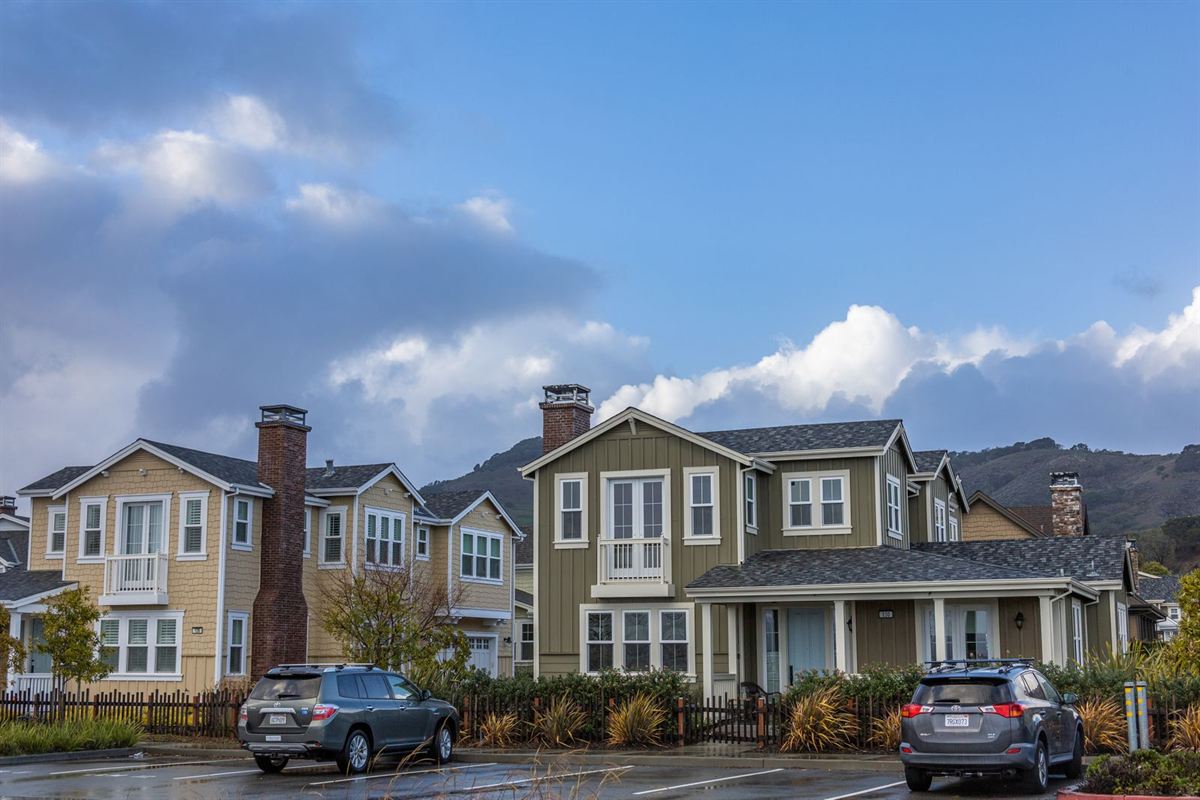
How Owner-Occupants Get First Shot at Government-Owned Homes
Photo: Zetong Li / Pexels
Government-owned homes, such as HUD homes and homes owned by Fannie Mae or Freddie Mac, draw interest from investors as well as from people who simply want a place to live. To give home shoppers a fair chance, these sellers set aside a window early in most listings when owner-occupants, meaning buyers who will live in the home as their main residence, get the first chance to buy. Investors have to wait.
This guide explains how those windows work, how to make the most of your head start, and what to do if your offer does not win. MyHomeZilla is an independent service and is not affiliated with HUD, Fannie Mae, Freddie Mac, VA, or USDA. Program rules can change, so confirm the details on each official site before you make an offer.
What Counts as an Owner-Occupant
You are an owner-occupant when you are buying the home to live in it as your primary residence. A vacation home, a rental, or a home for someone else to live in does not count. Certain public agencies and nonprofit organizations can also make offers during these early windows.
Be honest about living there. You will sign a certification that you will move in, and it is a legal promise. HUD's form warns that misrepresentations can bring fines, imprisonment, or both under federal law, and Fannie Mae and Freddie Mac treat false occupancy claims as serious violations. If your plans change before closing, tell your agent right away, and talk to a real estate attorney if you are unsure what you are signing.
HUD Homes: The Owner-Occupant Bidding Period
HUD sells homes from foreclosed FHA-insured loans on the HUD Home Store. Each listing moves through set periods, and investors cannot bid at all until the owner-occupant period ends:
- Some homes start with a 7-day lottery period reserved for Good Neighbor Next Door buyers, approved nonprofits, and government agencies.
- Insured homes, which HUD lists as eligible for FHA-insured financing, give owner-occupants 15 days.
- Uninsured homes, which do not qualify for a standard FHA loan as listed (often because of their condition), give owner-occupants 5 days. An FHA 203(k) renovation loan may still be an option.
- After that, the home enters the Extended period, when investors can bid alongside everyone else.
Several HUD rules work in your favor. For insured homes, bids placed during roughly the first 10 days are held and opened together, so bidding on day two does not beat a stronger bid placed on day nine. Owner-occupant bids are reviewed before any investor bids, and if an owner-occupant and an investor submit identical bids, HUD picks the owner-occupant.
HUD compares bids by their net offer: your price minus the broker's commission and any closing costs you ask HUD to pay. Owner-occupants may request help with closing costs, up to a limit HUD sets, but every dollar you request lowers your net offer. You cannot bid on your own; a HUD-registered broker or agent submits your bid. You are not eligible as an owner-occupant if you bought a HUD home as an owner-occupant within the past 24 months, and the certification you sign says you will live in the home as your primary residence for at least 12 months.
Fannie Mae HomePath: The First Look Period
Fannie Mae sells the homes it owns through HomePath. Its First Look period gives owner-occupants, public entities, and some nonprofits the first 30 days to make offers; the Federal Housing Finance Agency extended the window from 20 to 30 days in 2021. Each First Look listing on HomePath.com has a countdown clock showing how much time is left, so check it there before you plan an offer.
Your real estate agent submits your offer through HomePath's online offer process. Owner-occupant buyers sign a certification promising to make the home their primary residence within 60 days after closing and to live there for at least a year. A false statement is a breach of the contract that lets Fannie Mae cancel the sale and keep your earnest money deposit.
Freddie Mac HomeSteps: First Look
Freddie Mac sells its homes through HomeSteps. During the first 30 days a HomeSteps home is listed in the local MLS, Freddie Mac considers offers only from owner-occupants, public entities and their partners, and certain nonprofits. Investors can submit offers, but HomeSteps reviews them only after those 30 days. Multi-family homes, vacant land, and homes with known extreme environmental conditions are not part of First Look.
Two practical notes: HomeSteps does not start negotiating any offer until a home has been in the MLS for at least 48 consecutive hours, and you and your agent sign an affidavit that you will live in the home. Signing it falsely can bring civil or criminal liability.
VA and USDA Homes
VA-owned homes are listed by local real estate agents through the MLS, and you do not have to be a veteran to buy one. USDA lists homes from its rural loan programs on its own property website, and you make offers through a real estate agent, broker, or USDA servicing representative. Rules vary, so ask the local USDA office named on the listing whether any buyers get priority.
How to Use Your Head Start, Step by Step
- Get pre-approved. Share listings with your lender early, since a home's condition can limit which loans work. If a home needs repairs, ask about renovation loans.
- Line up the right agent. For HUD homes, choose a HUD-registered broker; the HUD Home Store has a broker search. For HomePath and HomeSteps homes, an agent who knows their addenda helps.
- Catch listings early. Windows are short, so set up listing alerts for the areas you want.
- Tour and inspect. These homes are generally sold as-is. Bring our viewing-day checklist and get a professional inspection whenever the contract allows.
- Price it with care. Base your offer on recent nearby sales and repair costs. Our guide to reading sales history and comps walks you through it.
- Submit before the deadline. Include the owner-occupant certification and any required addenda, and read every page before you sign. Our guide to making a strong offer on a bank-owned home covers addenda and deadlines.
What Happens If Your Offer Doesn't Win
Losing one home is common, and it is rarely the end of the road. On HUD homes, the asset manager handling the sale may send a counteroffer to all earlier bidders, so check your bids often. You can change or withdraw a HUD bid until its bid-open date, and accepted bids appear on the HUD Home Store's bid results page for 14 days after a home goes under contract, which can help you gauge what is winning in your area.
Deals also fall through, and homes can come back on the market. If you bid on several HUD homes at once, know that HUD will accept only one of your owner-occupant bids.
The Bottom Line
Owner-occupant windows are one of the few built-in advantages a home shopper gets. To use them, you need to spot new listings quickly, have financing ready, and work with an agent who knows each seller's process. For a broader overview, see our guide to HUD, VA, Fannie Mae, and USDA homes, and if you are a teacher, officer, firefighter, or EMT, read about Good Neighbor Next Door.
MyHomeZilla helps with the timing. Browse government-owned homes by city, ZIP code, or a boundary you draw on the map, save searches with instant email or mobile notifications, and get deadline reminders for bid deadlines plus updates when a home goes under contract or comes back on the market. Save and compare favorites, and share them with a spouse or co-buyer before you decide.
This guide is for educational purposes only and is not financial or legal advice. MyHomeZilla is not a lender or government agency. Program rules change, so confirm current details with the program or a licensed professional before you act.