Pre-Foreclosure, Auction, or Bank-Owned? Foreclosure Stages Explained

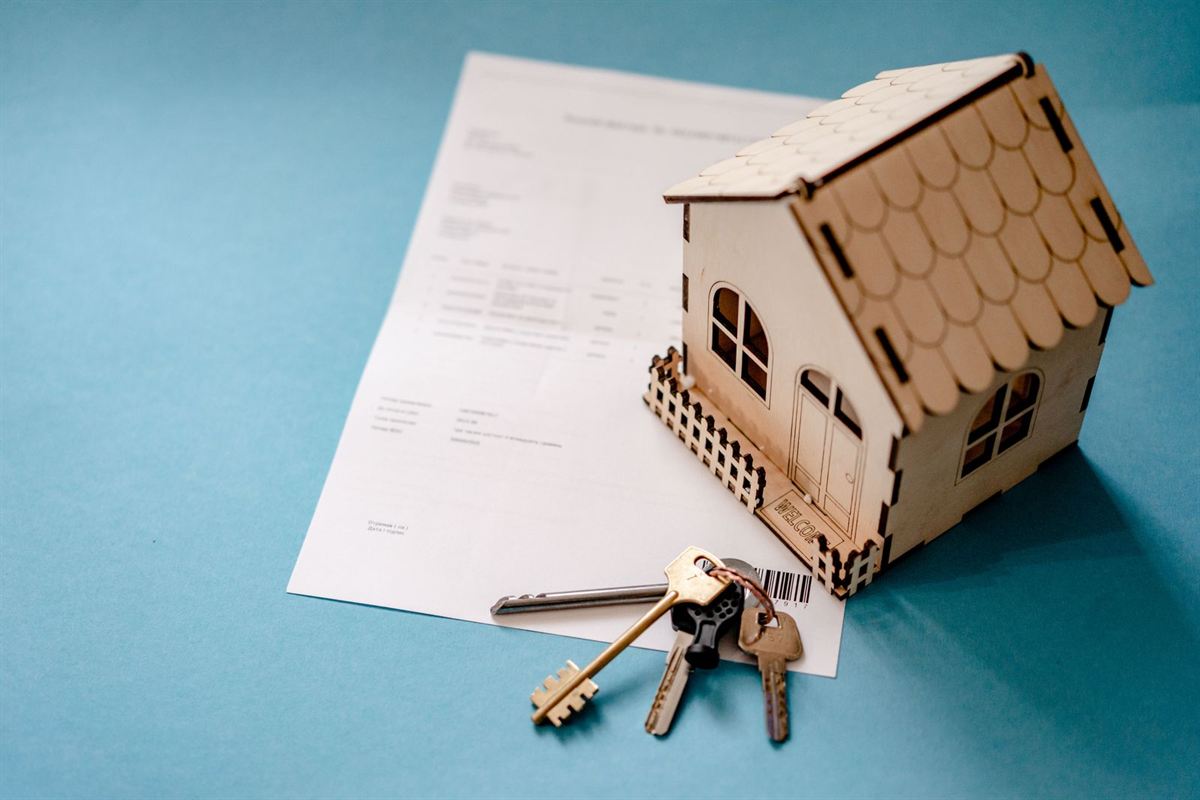
Photo: SHOX ART / Pexels
When you browse foreclosure listings, you will see labels like pre-foreclosure, auction, and bank-owned. Each one tells you who owns the home right now, who you would deal with, whether you can tour it, and how much risk you would take on as a buyer.
This guide explains each stage from the point of view of someone who wants a home to live in, plus what to do when a listing’s status changes. For the full buying process, see our step-by-step guide to buying a foreclosed home.
How a Home Ends Up in Foreclosure
Foreclosure is the legal process a lender or loan servicer uses to take back a home after the owner stops making mortgage payments. Under federal mortgage servicing rules, a servicer generally cannot make the first official foreclosure notice or filing until the borrower is more than 120 days behind, with a few narrow exceptions.
During that time, and often well beyond it, the owner may be working with the servicer on a way to catch up. That is why many pre-foreclosures never reach an auction at all.
Judicial and Non-Judicial Foreclosure: Why Your State Matters
States handle foreclosure in two main ways. In a judicial foreclosure, the lender files a lawsuit and the case goes through the courts. A notice of the pending case, often called a lis pendens, is typically recorded with the county.
In a non-judicial foreclosure, the lender follows a series of steps and required notices under a power of sale clause in the mortgage or deed of trust, without going to court. These may include a recorded notice of default and a notice of sale. Names, notice periods, and timelines vary by state, and court-based foreclosures can take longer. The Consumer Financial Protection Bureau has a plain-English overview of how foreclosure works.
Stage 1: Pre-Foreclosure
Pre-foreclosure is the period after the owner falls behind and the foreclosure process begins, but before any sale. The owner still owns the home, usually still lives there, and still has options. They may:
- Reinstate the loan by paying all of the missed payments in one lump sum.
- Work out an agreement with the servicer, such as a repayment plan or loan modification.
- Sell the home the usual way, if it is worth more than what is owed.
- Request a short sale, a sale for less than the amount owed. It only happens if the lender or servicer agrees, so timelines can be slower and less predictable.
- Hand the home back through a deed-in-lieu of foreclosure, voluntarily turning over ownership to the lender.
For buyers, the key point is that a pre-foreclosure home is not automatically for sale. If the owner lists it, you make an offer much like any other purchase, with extra patience if a short sale is involved.
Respect the people who live there. Pre-foreclosure homes are usually occupied, and the owners may be going through a hard time. Do not knock on doors uninvited, leave notes, look through windows, or walk onto the property. If the owner has not put the home up for sale, leave them in peace and follow the home from a distance by saving it.
Stage 2: The Foreclosure Auction
If the owner does not catch up or find another solution, the home is typically sold at a public auction, often called a sheriff’s sale or trustee’s sale depending on the state. Bidders, including the lender, can take part, and the home goes to the highest bidder. For a first-time buyer, this is the riskiest stage:
- Payment rules are strict. Many auctions require cash or certified funds at the sale or soon after, so a typical mortgage usually is not an option.
- You may not get inside. Buyers often bid without an interior tour or inspection.
- Some liens can survive the sale. Depending on who is foreclosing and your state’s rules, certain liens, meaning legal claims against the property such as unpaid property taxes, may stay with the home.
- Someone may still live there. Gaining possession means following your state’s legal process. Renters also have federal protections: in general, they must get at least 90 days’ notice to move, and a renter with a lease can usually stay until it ends unless the home is sold to someone who will live in it.
- The former owner may be able to reclaim it. Certain states have a redemption period after the sale, when the prior owner can take the home back by paying all amounts owed.
- Dates change. Sales are often postponed or canceled, for example when the owner reinstates the loan.
For most first-time buyers, auctions are something to understand rather than jump into. Talk with a real estate attorney about local rules before you ever bid.
Stage 3: Bank-Owned (REO) Homes
If no outside bidder buys the home at auction, it usually goes back to the lender and becomes real estate owned, or REO. Some homes also become bank-owned through a deed-in-lieu. Either way, the lender now owns the property and wants to sell it.
Many first-time buyers find this stage the easiest to work with. Bank-owned homes are typically listed with a real estate agent, and you can usually tour them, get an inspection, and use a mortgage. Lenders often clear up title problems before closing, though you should still get your own title search. These homes are generally sold as-is, and the bank’s addendum may add strict deadlines. Our guide to making a strong offer on a bank-owned home covers that process, and our viewing-day checklist helps you tour one.
Homes owned by HUD, Fannie Mae, and other government-related sellers follow their own rules, and some give buyers who plan to live in the home an early window to make offers. See how owner-occupants get first shot at government-owned homes.
What Status Changes Mean for You
Foreclosure listings change often, and each change tells you something:
- Auction postponed or date changed: the sale is still possible, so note the new date.
- Sale canceled or listing removed: the owner may have caught up, reached an agreement, or sold.
- Sold at auction: another bidder won, and the home may return later as a regular listing.
- Bank-owned and listed: your chance to tour, inspect, and make an offer.
- Back on the market: another buyer’s deal fell through, which can reopen the door for you.
MyHomeZilla’s status change updates tell you when a home you are watching goes under contract, comes back on the market, or has its auction date changed, and deadline reminders flag auction dates and bid deadlines. Our guide to listing alerts shows how to set them up without flooding your inbox.
How to Confirm a Home’s Stage
- Check the listing type and status, then review the sales history and tax records.
- Look up recorded notices at the county recorder’s office, or court records for a judicial foreclosure.
- Ask the listing agent or listing contact whether a sale date has moved.
- Talk with a real estate agent or attorney who knows local foreclosure rules before you commit any money.
The Bottom Line
Pre-foreclosure, auction, and bank-owned homes can all become a home of your own, but they are not equal. Pre-foreclosures depend on the owner’s choices, auctions favor cash and experience, and bank-owned homes usually offer the most familiar path for first-time buyers.
MyHomeZilla helps you search foreclosure homes at every stage by city, ZIP code, or address, filter by listing type and status, and save the homes you want to follow. Status change updates and deadline reminders keep you current as homes move from stage to stage, and our plain-English guides help you take each step with confidence.
This guide is for educational purposes only and is not financial or legal advice. MyHomeZilla is not a lender or government agency. Program rules change, so confirm current details with the program or a licensed professional before you act.