Questions to Ask Sellers Before You Make an Offer
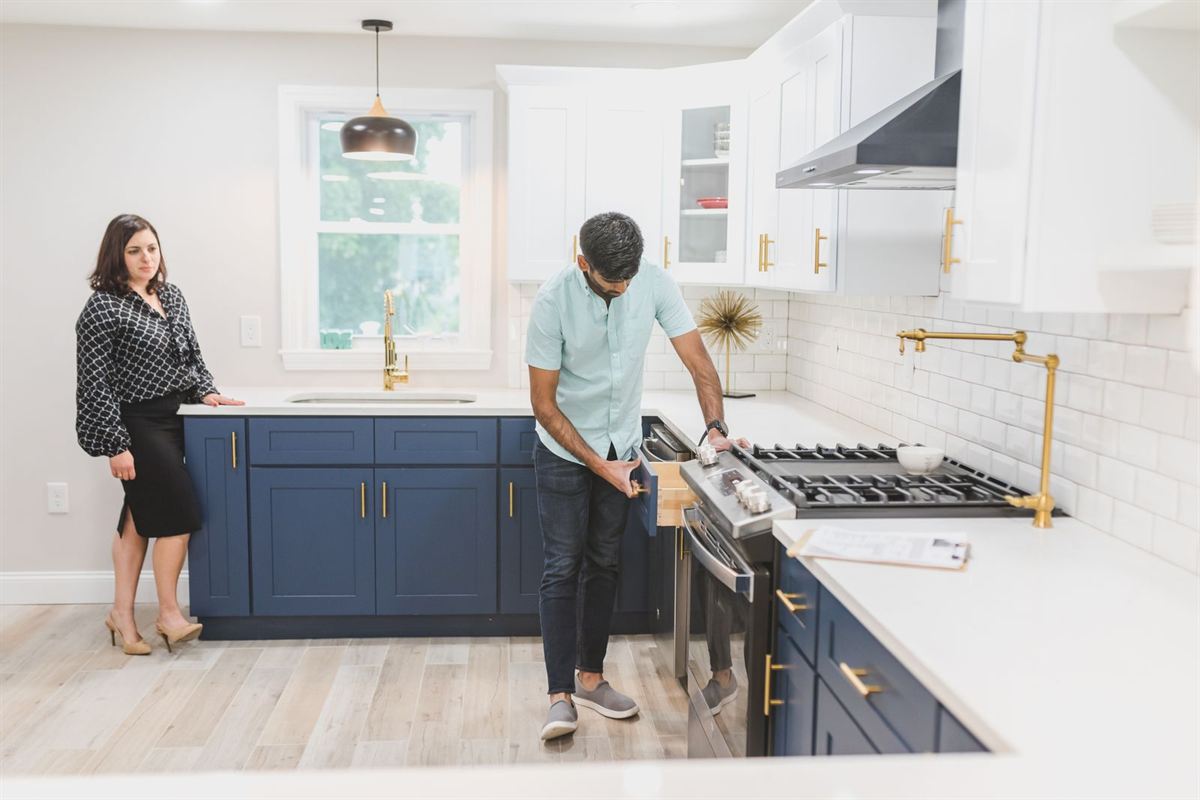
Photo: RDNE Stock project / Pexels
The right questions, asked before you make an offer, can save you from expensive surprises later. They also help you compare homes fairly, because you are gathering the same facts about each one.
Who you ask depends on the kind of home. You might talk with a private owner selling on their own, a listing agent for a bank or a government agency, or a rent-to-own landlord. Below is a checklist for each, plus a few questions to ask yourself first. Ask politely, take notes, and get the important answers in writing.
Start With Questions for Yourself
- What monthly payment can I comfortably afford, including property taxes, insurance, and any HOA dues?
- Am I pre-approved, and for which type of loan?
- How much cash do I have for the down payment, closing costs, repairs, and an emergency cushion?
- How long do I plan to live in this home?
- Which repairs could I realistically handle, in both time and money?
- Who is on my team: a real estate agent, real estate attorney, home inspector, lender, and title company?
If several answers are "not sure yet," our 12-month plan to get ready to buy can help you prepare.
Questions for Private Sellers
When you buy directly from an owner, there may be no listing agent gathering details for you. Our guide to buying homes for sale by owner covers the process; these questions cover the conversation.
About the Home
- How long have you owned the home, and why are you selling?
- What repairs, renovations, or additions have you made, and were permits pulled?
- How old are the roof, furnace, air conditioner, and water heater?
- Have you had leaks, flooding, mold, pests, or foundation problems?
- Have there been any insurance claims on the home?
- Will you complete a written seller disclosure? Disclosure rules vary by state.
About the Costs
- What do utilities typically cost each month?
- What is the current property tax bill? It may change after a sale.
- Is there an HOA, and what are the dues, special assessments, and rules?
- Which appliances and fixtures are included in the price?
About the Sale
- How flexible are you on the closing date and move-out timing?
- Will you work with my agent or attorney and a title company?
- Will you accept an offer with inspection, appraisal, and financing contingencies?
- Can my earnest money be held by a title company, escrow company, or attorney?
Questions for Listing Agents on Bank-Owned Homes
A bank selling a foreclosed home has never lived in it, so the listing agent may know little about its history. Focus on condition, process, and timing.
- Is the home vacant or occupied?
- Are the utilities on, or can they be turned on for inspections? Who arranges and pays?
- Can I see the bank's addendum before I make an offer?
- Is there an offer deadline, and have other offers come in?
- How long is the inspection period, and which inspections are allowed?
- How much earnest money is expected, and who holds it?
- What closing timeline does the bank expect, and are there charges if closing runs late?
- Are there known issues, such as winterized plumbing or missing appliances?
Once you have answers, our guide to making a strong offer on a bank-owned home walks you through the next step.
Questions for Agents on Government-Owned Homes
HUD, Fannie Mae, Freddie Mac, VA, and USDA each sell homes their own way, so confirm the rules for the specific listing.
- For a HUD home, is it listed as IN, IE, or UI? According to HUD Home Store, IN homes are eligible for an FHA-insured loan as they are, IE homes are eligible if your lender sets up a repair escrow (repairs estimated at no more than $10,000), and UI homes need more than $10,000 in repairs and are not eligible for an FHA-insured loan unless a 203(k) renovation loan can be arranged.
- Is the home still in its owner-occupant priority period, and when are bids or offers due?
- For a HUD home, are you registered with HUD to submit bids? Homebuyers must bid through a HUD-registered broker or agent.
- What occupancy certification will I sign, and how long must I live in the home?
- How much earnest money is required, and when is it due?
- Are any property condition reports or past inspection reports available?
Answer occupancy forms honestly, since misrepresenting your plans can carry civil or criminal penalties. Our guide to owner-occupant priority periods explains how those windows work.
Questions for Rent-to-Own Landlords and Sellers
- Are you the owner on record, and is your mortgage current?
- Are the property taxes and any HOA dues paid up to date?
- Is this a lease-option or a lease-purchase agreement?
- How much is the option fee, is any of it refundable, and does it count toward the price?
- How much of each month's rent is credited toward the purchase, and how will you document it?
- What is the purchase price, or how will it be set?
- Who pays for repairs, maintenance, and insurance?
- What happens if I can't get a mortgage by the deadline?
- Can I get an inspection and an appraisal now, and may my attorney review the contract?
Our guide to rent-to-own contracts explains what good answers look like.
Two Questions for Almost Any Home
- Was the home built before 1978? If so, federal rules generally require the seller to share known lead-based paint information, give you an EPA pamphlet, and offer a 10-day window for a paint inspection or risk assessment. You and the seller can agree in writing to change that window, and you can waive it. The rule exempts sales at foreclosure, such as an auction, but not a later resale of a bank-owned home, so ask which disclosures apply. The EPA explains the disclosure rule.
- Has the home ever flooded, and is it in a flood zone? Look up the address on the FEMA Flood Map Service Center, then ask your lender and insurance agent whether flood insurance will be needed.
Tip: A seller's answer is a starting point, not proof. A professional inspection, a title search, and an appraisal are how you confirm what you were told.
Keep Track of Every Answer
After a few calls and tours, details blur together. Record answers in your notes for each home, keep copies of any documents the seller provides, and flag anything you still need in writing. Comparing the same answers across homes makes your choice clearer, and our viewing-day checklist helps you add what you see in person.
The Bottom Line
Good questions turn a listing into a decision you understand. Ask yourself first, match your questions to the seller, and verify the answers before you commit.
MyHomeZilla helps you put this into practice. Search private listings, foreclosures, government-owned homes, and rent-to-own homes, contact private sellers and listing contacts directly, request a showing, keep notes on each home, and share listings with a spouse, family member, or co-buyer so everyone can weigh in before you make an offer. MyHomeZilla provides listing information and guides, not legal or financial advice, so lean on your agent, attorney, inspector, and lender for the final word.
This guide is for educational purposes only and is not financial or legal advice. MyHomeZilla is not a lender or government agency. Program rules change, so confirm current details with the program or a licensed professional before you act.