Government-Owned Homes: HUD, VA, Fannie Mae & USDA Explained
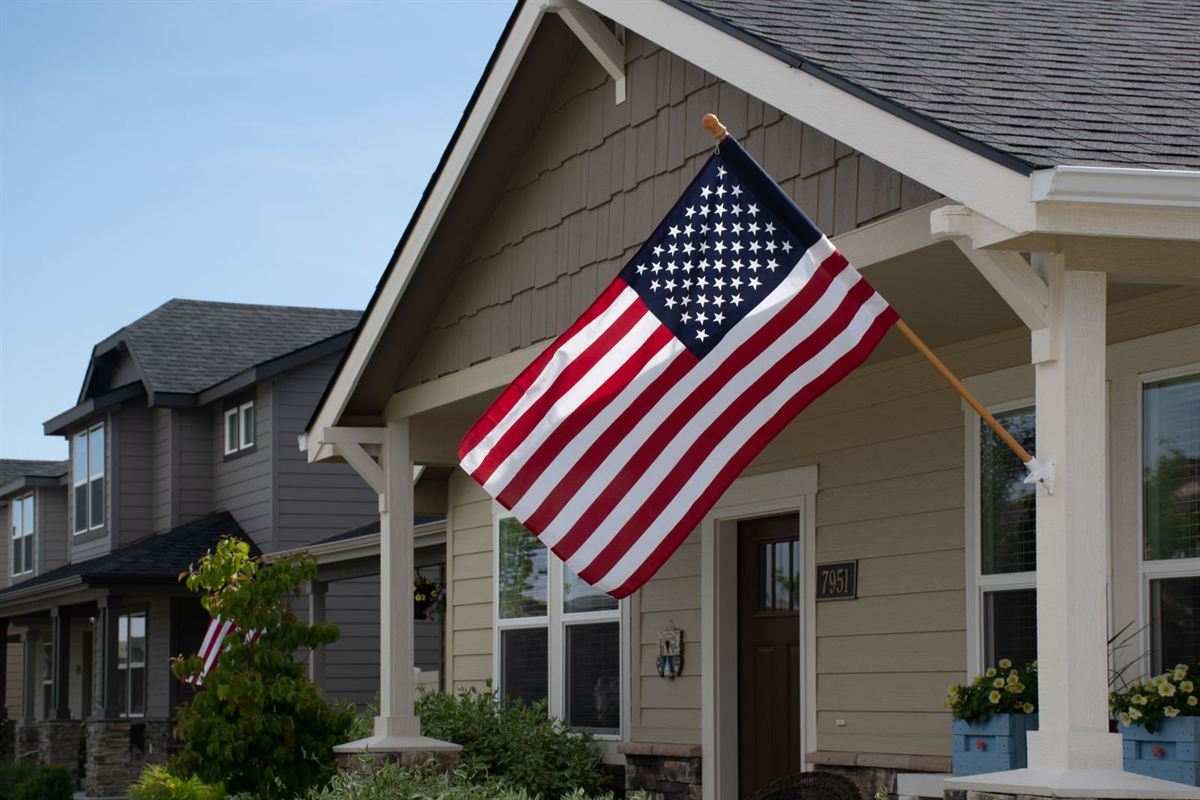
Photo: Brett Sayles / Pexels
When a home with a government-backed or government-related mortgage goes through foreclosure, it can end up owned by a federal agency such as HUD, VA, or USDA, or by Fannie Mae or Freddie Mac. These homes are then sold to the public, and several programs give owner-occupants, meaning people who plan to live in the home, an early chance to buy.
This plain-English guide explains how the main programs work. MyHomeZilla is independent and is not affiliated with HUD, VA, Fannie Mae, Freddie Mac, or USDA.
What Makes a Home Government-Owned?
Most government-owned homes went through foreclosure after the borrower fell behind on a loan that was insured, guaranteed, or owned by a government agency or by a government-sponsored enterprise like Fannie Mae or Freddie Mac. Once that agency or enterprise takes ownership, it sells the home.
Like most foreclosures, these homes are usually sold as-is. Condition and price can vary widely from one property to the next, so each home deserves its own careful review before you make an offer.
HUD Homes
HUD homes come from foreclosures on mortgages insured by the Federal Housing Administration (FHA). The U.S. Department of Housing and Urban Development sells them through the HUD Home Store website, and a HUD-registered real estate broker submits your bid for you.
HUD gives owner-occupant buyers, along with HUD-approved nonprofits and government entities, a priority bidding period before investors can bid. HUD Home Store currently lists it as 15 days for homes that qualify for FHA-insured financing and 5 days for homes that do not. Check each listing's current deadline, and see our guide to owner-occupant priority periods.
HUD's Good Neighbor Next Door Program
HUD's Good Neighbor Next Door program offers a 50% discount off the list price of eligible HUD homes in designated revitalization areas. It is open to full-time law enforcement officers, pre-kindergarten through 12th grade teachers, firefighters, and emergency medical technicians who serve that area.
You must commit to live in the home as your only residence for 36 months and sign a second mortgage for the discount, which requires no payments if you keep that commitment. Homes are offered for seven days, with a random lottery when there are several offers. See our Good Neighbor Next Door guide.
VA REO Homes
When a VA-guaranteed home loan goes through foreclosure, the Department of Veterans Affairs may take ownership of the property. VA uses a private contractor, currently Vendor Resource Management (VRM), to market these homes through local real estate agents and the multiple listing service (MLS).
Here is a common surprise: you do not have to be a veteran to buy one. Some VA homes may also qualify for VA's Vendee seller financing, so ask a local agent about current options.
Fannie Mae HomePath Homes
Fannie Mae sells the foreclosed homes it owns through its HomePath website, and your real estate agent submits offers for you through the site.
HomePath's First Look period, currently 30 days, lets owner-occupants, public entities, and some nonprofits make offers before investors can. If you plan to live in the home, this window can mean less competition. Fannie Mae sells its homes as-is and strongly recommends an independent home inspection.
Freddie Mac HomeSteps Homes
Freddie Mac sells the foreclosed homes it owns through HomeSteps, using real estate agents. You can contact the listing agent or work with your own agent to make an offer.
Freddie Mac's First Look Initiative gives owner-occupant buyers and select nonprofits the first 30 days of a listing without competition from investors. HomeSteps also notes that most of its homes sell close to their estimated market value, so do not count on a deep discount.
USDA Homes
USDA Rural Development makes and guarantees home loans in eligible rural areas. When some of those loans end in foreclosure, USDA sells the homes, often in small towns, and lists them on its RD/FSA Resales website.
USDA says anyone can buy one, but you must work with a real estate agent, broker, or servicing representative to submit an offer or bid. Sale methods vary, so contact the USDA servicing office named on the listing for the home's status and any program benefits you may qualify for.
Financing a Government-Owned Home
Many government-owned homes can be bought with cash or a mortgage, and a home's condition can affect which loans will work. HUD Home Store, for example, notes whether each home qualifies for FHA financing as is, only with a repair escrow, or not at all unless a renovation loan such as an FHA 203(k) is arranged.
Share listings with your lender early, and get pre-approved before you make offers. Many of these sellers expect a pre-approval letter or proof of funds. Our renovation loan guide explains repair financing.
Inspections, Title, and Bidding Tips
Because government-owned homes are sold as-is, a professional inspection is one of the most important steps you can take. Ask about inspection terms up front, and get a title search so you know about any liens or ownership issues.
Read every addendum and watch deadlines closely, since bid windows can be short.
Be honest about occupancy. Priority periods are for people who will actually live in the home, and buyers typically certify that they will. Misstating your plans can carry serious penalties.
Final Thoughts
Government-owned homes can open doors for renters and first-time buyers, especially through owner-occupant priority periods and programs like Good Neighbor Next Door. Each program has its own rules, so learn how the one you are interested in works.
MyHomeZilla brings government-owned homes from HUD, VA, Fannie Mae, Freddie Mac, and USDA together in one search. Saved searches with email or mobile notifications help you spot new listings early, and deadline reminders help you track bid deadlines. We are not a government agency, a lender, or a real estate brokerage, so always confirm program details with the official source.
This guide is for educational purposes only and is not financial or legal advice. MyHomeZilla is not a lender or government agency. Program rules change, so confirm current details with the program or a licensed professional before you act.